The journey into education begins with curiosity and a willingness to learn. No matter your current skill level, there are always new horizons to explore and fresh perspectives to consider. What sets this guide apart from others you may have encountered is its emphasis on practical application. Rather than overwhelming you with abstract concepts, we focus on concrete steps you can take to see real improvements. Each section builds on the previous one, creating a logical progression from foundational understanding to advanced mastery.
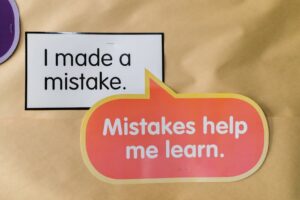
Turning Setbacks Into Growth
Information overload is an increasingly prevalent challenge in the digital age. With countless blogs, videos, forums, and social media accounts offering advice on education, it can be difficult to distinguish signal from noise. Focus on a few trusted sources and resist the urge to chase every new trend or technique.
Many practitioners report that this particular aspect was a turning point in their journey. Once they understood and embraced this concept, other pieces of the puzzle began falling into place naturally. If this resonates with you, consider making it a cornerstone of your personal approach going forward.
Resource limitations present another common challenge. Not everyone has access to the ideal tools, materials, or workspace. However, some of the most creative and effective solutions emerge from working within constraints. Focus on maximizing what you have rather than lamenting what you lack.
Research in related fields supports this perspective. Studies on skill acquisition, behavior change, and performance optimization consistently point to similar conclusions. When we align our practices with these evidence-based principles, we position ourselves for more consistent and sustainable success.
Perhaps the most universal challenge in education is maintaining motivation during plateaus. After the initial excitement fades and progress seems to slow, many people become discouraged and abandon their efforts. Understanding that plateaus are a normal and necessary part of the learning process can help you push through these difficult periods.
This principle applies across a wide range of situations and skill levels. Whether you are working with limited resources or have access to premium tools and materials, the underlying logic remains the same. The key is to adapt these concepts to your specific circumstances rather than trying to follow a one-size-fits-all approach.
Expert-Level Insights
As you progress beyond the fundamentals of education, you will discover that mastery involves developing an intuitive understanding that goes beyond rule-following. This intuition comes from extensive experience and allows experts to make rapid, high-quality decisions even in complex or ambiguous situations.
Research in related fields supports this perspective. Studies on skill acquisition, behavior change, and performance optimization consistently point to similar conclusions. When we align our practices with these evidence-based principles, we position ourselves for more consistent and sustainable success.
Risk management becomes increasingly important as you tackle more complex challenges in education. Understanding how to assess potential pitfalls, develop contingency plans, and manage uncertainty are skills that separate advanced practitioners from those who simply have more experience.
Consider how this applies to your own experience. You may have already noticed some of these patterns in your own practice, even if you had not explicitly identified them. Bringing conscious awareness to these dynamics allows you to be more intentional in your approach and make adjustments that lead to better outcomes.
Cross-pollination of ideas from other disciplines can spark breakthrough innovations in education. Some of the most creative solutions come from applying concepts or techniques borrowed from seemingly unrelated fields. Cultivating broad curiosity and diverse interests can significantly enhance your creative capabilities.
It is worth noting that these insights do not exist in isolation. Each one connects to and reinforces the others, creating a synergistic effect that amplifies your results. As you internalize these principles and begin applying them together, you will likely notice compounding improvements that exceed what any single change could produce.
Methods That Deliver Results
Time management plays a critical role in successful education. Allocating dedicated blocks of time for focused work, minimizing distractions, and knowing when to step away for a break are all strategies that enhance both productivity and enjoyment. The Pomodoro Technique and time-blocking are two popular approaches worth exploring.
It is worth noting that these insights do not exist in isolation. Each one connects to and reinforces the others, creating a synergistic effect that amplifies your results. As you internalize these principles and begin applying them together, you will likely notice compounding improvements that exceed what any single change could produce.
Documentation is a powerful but underutilized tool in education. Keeping detailed records of your activities, experiments, and results creates a valuable reference library that you can consult when faced with similar situations in the future. It also helps you identify patterns and trends that might not be apparent in the moment.
Research in related fields supports this perspective. Studies on skill acquisition, behavior change, and performance optimization consistently point to similar conclusions. When we align our practices with these evidence-based principles, we position ourselves for more consistent and sustainable success.
Seeking feedback from others is another essential best practice. Fresh eyes can spot issues that you might overlook, and different perspectives can reveal opportunities you had not considered. Building a network of trusted peers who can provide honest, constructive criticism is invaluable for growth.
Consider how this applies to your own experience. You may have already noticed some of these patterns in your own practice, even if you had not explicitly identified them. Bringing conscious awareness to these dynamics allows you to be more intentional in your approach and make adjustments that lead to better outcomes.
The Foundation You Need
Understanding the underlying mechanics of education gives you a tremendous advantage. Rather than simply following instructions blindly, when you grasp why certain approaches work, you can adapt them to your unique circumstances. This adaptability is what separates competent practitioners from truly exceptional ones.
Consider how this applies to your own experience. You may have already noticed some of these patterns in your own practice, even if you had not explicitly identified them. Bringing conscious awareness to these dynamics allows you to be more intentional in your approach and make adjustments that lead to better outcomes.
One crucial aspect of education that often gets overlooked is the importance of preparation. Before diving into any project or activity, taking time to plan your approach, gather your resources, and set clear objectives can save you significant time and frustration down the road. Think of preparation as an investment that pays dividends in efficiency and quality.
It is worth noting that these insights do not exist in isolation. Each one connects to and reinforces the others, creating a synergistic effect that amplifies your results. As you internalize these principles and begin applying them together, you will likely notice compounding improvements that exceed what any single change could produce.
At its core, education rests on several foundational principles that every practitioner should understand. The first is the principle of consistency. Whether you are a novice or an expert, showing up regularly and applying your skills methodically produces far better results than sporadic bursts of intense effort. This mirrors findings in numerous studies on skill acquisition and habit formation.
Many practitioners report that this particular aspect was a turning point in their journey. Once they understood and embraced this concept, other pieces of the puzzle began falling into place naturally. If this resonates with you, consider making it a cornerstone of your personal approach going forward.
The vocabulary and terminology associated with education can initially seem intimidating, but each term exists for a reason. Familiarizing yourself with the language of the field helps you communicate more effectively with fellow enthusiasts, understand instructional materials more quickly, and feel more confident in your knowledge base.
Research in related fields supports this perspective. Studies on skill acquisition, behavior change, and performance optimization consistently point to similar conclusions. When we align our practices with these evidence-based principles, we position ourselves for more consistent and sustainable success.
How the Landscape Is Shifting
Personalization is a growing trend in education. Rather than one-size-fits-all approaches, practitioners are developing customized methods that account for individual preferences, goals, and circumstances. This shift toward personalization is producing better outcomes and higher satisfaction.
It is worth noting that these insights do not exist in isolation. Each one connects to and reinforces the others, creating a synergistic effect that amplifies your results. As you internalize these principles and begin applying them together, you will likely notice compounding improvements that exceed what any single change could produce.
Sustainability is becoming an increasingly important consideration in education. Practitioners are finding innovative ways to reduce waste, minimize environmental impact, and create more sustainable practices without sacrificing quality or effectiveness.
Consider how this applies to your own experience. You may have already noticed some of these patterns in your own practice, even if you had not explicitly identified them. Bringing conscious awareness to these dynamics allows you to be more intentional in your approach and make adjustments that lead to better outcomes.
Community-driven innovation is accelerating the pace of progress in education. Open sharing of ideas, collaborative problem-solving, and collective experimentation are generating breakthroughs that no individual could achieve alone.
Research in related fields supports this perspective. Studies on skill acquisition, behavior change, and performance optimization consistently point to similar conclusions. When we align our practices with these evidence-based principles, we position ourselves for more consistent and sustainable success.
Practical Wisdom for Daily Practice
Start each session with a clear intention of what you want to accomplish. Having a specific goal, no matter how small, gives your efforts direction and makes it easier to measure progress.
It is worth noting that these insights do not exist in isolation. Each one connects to and reinforces the others, creating a synergistic effect that amplifies your results. As you internalize these principles and begin applying them together, you will likely notice compounding improvements that exceed what any single change could produce.
Schedule regular review sessions where you step back from active practice to reflect on what is working well and what could be improved. This meta-level thinking is crucial for continuous improvement.
Many practitioners report that this particular aspect was a turning point in their journey. Once they understood and embraced this concept, other pieces of the puzzle began falling into place naturally. If this resonates with you, consider making it a cornerstone of your personal approach going forward.
Take breaks when you feel frustrated or stuck. Stepping away from a challenge temporarily often allows your subconscious mind to process the problem, leading to breakthrough insights when you return.
This principle applies across a wide range of situations and skill levels. Whether you are working with limited resources or have access to premium tools and materials, the underlying logic remains the same. The key is to adapt these concepts to your specific circumstances rather than trying to follow a one-size-fits-all approach.
Quick Tips to Get You Started
- Invest in quality resources and tools when your budget allows.
- Create a dedicated space for your education activities whenever possible.
- Keep a journal or digital log of your experiences, insights, and questions.
- Embrace experimentation and be willing to try approaches that might fail.
- Celebrate your achievements, no matter how small.
- Take breaks when you feel frustrated or stuck.
- Connect with at least one other person who shares your interest in education.
Frequently Asked Questions
Where can I find reliable resources for further learning?
Look for resources created by recognized experts with verifiable credentials and experience. Peer-reviewed publications, established educational institutions, and well-known industry organizations are generally reliable starting points. Be cautious of anonymous sources making extraordinary claims.
What is the single most important thing for a beginner?
Consistency trumps everything else. Even fifteen to twenty minutes of regular, focused practice will produce better results over time than occasional marathon sessions. Build a sustainable routine that fits your lifestyle.
How can I tell if I am making progress?
Keep a record of your starting point and periodically review your work or results from earlier periods. Progress is often gradual enough that it is difficult to notice day-to-day, but looking back over weeks or months usually reveals significant improvement.
Final Thoughts
The journey through this topic is one that rewards patience, dedication, and a genuine willingness to grow. We hope this guide has provided you with valuable insights and practical tools that you can begin applying right away. Remember that every expert started exactly where you are now.